Packaging design in 2026 is defined by a compelling tension: the desire for authenticity in an increasingly AI-saturated visual landscape. As brands compete for attention on crowded shelves and fast-scrolling feeds, the rules of what makes packaging effective are being rewritten. The shift isn’t just aesthetic — it’s strategic. Materials, structure, and digital integration are all evolving in ways that directly influence purchasing decisions and long-term brand loyalty. Here are six packaging design trends shaping 2026, and what they mean for brands ready to stand out.
The Human Touch: Imperfection as a Design Strategy
In a world where AI can generate polished visuals in seconds, hand-crafted imperfection has become a powerful differentiator. Brands are leaning into hand-drawn elements, uneven typography, visible brushstrokes, and layered textures that signal care and authenticity. This isn’t about sloppy execution — it’s a deliberate choice to make packaging feel personal and emotionally resonant.
The logic is straightforward: when every competitor can access the same AI tools to produce sleek, flawless designs, the work that clearly comes from a human hand stands out. Consumers are drawn to packaging that feels like it was made by someone, not something. We’re seeing this play out across categories, from artisanal food brands to premium skincare lines embracing frosted glass with imperfect lettering.
For brands, the takeaway is clear. Investing in illustration, hand-lettering, and tactile finishes creates an emotional connection that algorithm-generated perfection simply cannot replicate. This is where working with a design team that understands craft — not just software — makes a real difference. See how we approach this in our work.
Sustainability Moves from Ambition to Expectation
Sustainable packaging is no longer a differentiator — it’s the baseline. In 2026, consumers and regulators alike expect brands to demonstrate real environmental responsibility, not just talk about it. The shift is material: bioplastics, compostable films, mushroom-based foams, paper composites, and mono-material structures designed for mainstream recycling are all gaining serious traction.
What’s changed is that sustainable options now perform. Today’s eco-friendly materials are stronger, more visually appealing, and often more cost-effective than brands anticipate. Plant-based inks, kraft paper structures, and refillable systems are proving that reducing environmental impact doesn’t mean compromising on shelf presence or product protection.
The brands getting this right are the ones designing within a single polymer family, using orientation and surface treatments to deliver flexible formats — stand-up pouches, flow wraps, compostable lids — that are compatible with existing recycling streams. Extended Producer Responsibility (EPR) regulations are accelerating this shift across Europe and beyond, making future-proof material choices a business imperative as much as a design one.
Neo-Minimalism: Warm, Intentional, and Premium
Minimalism in packaging isn’t new, but its 2026 evolution is distinct. Clean design is getting warmer. The cold, stark whites and sans-serif-only aesthetic of previous years is giving way to softer palettes, warmer tones, and subtle material textures — metallic foil accents, matte finishes, and premium paper stocks that invite touch.
This “neo-minimalism” pairs restraint with approachability. It strips away visual clutter while adding just enough richness to feel inviting rather than clinical. Industrial touches like brushed metallic finishes are being combined with organic textures to create packaging that reads as both modern and human.
The goal is designing packaging that feels edited, not empty. Every element earns its place. For premium and luxury brands in particular, this means rethinking the package as a long-term object — something worth keeping, refilling, or displaying — rather than something discarded after a single use. At Blur, this philosophy of intentional reduction drives much of our packaging work. Learn more about our packaging design services.
Digital-Interactive Packaging: The Physical Meets the Digital
Packaging is becoming a media surface. QR codes, NFC chips, and augmented reality (AR) integrations are transforming static labels into dynamic experiences. When scanned, a bottle might reveal a recipe, launch an interactive brand story, or unlock a limited-edition digital collectible. The technology has matured enough that these features feel seamless rather than gimmicky.
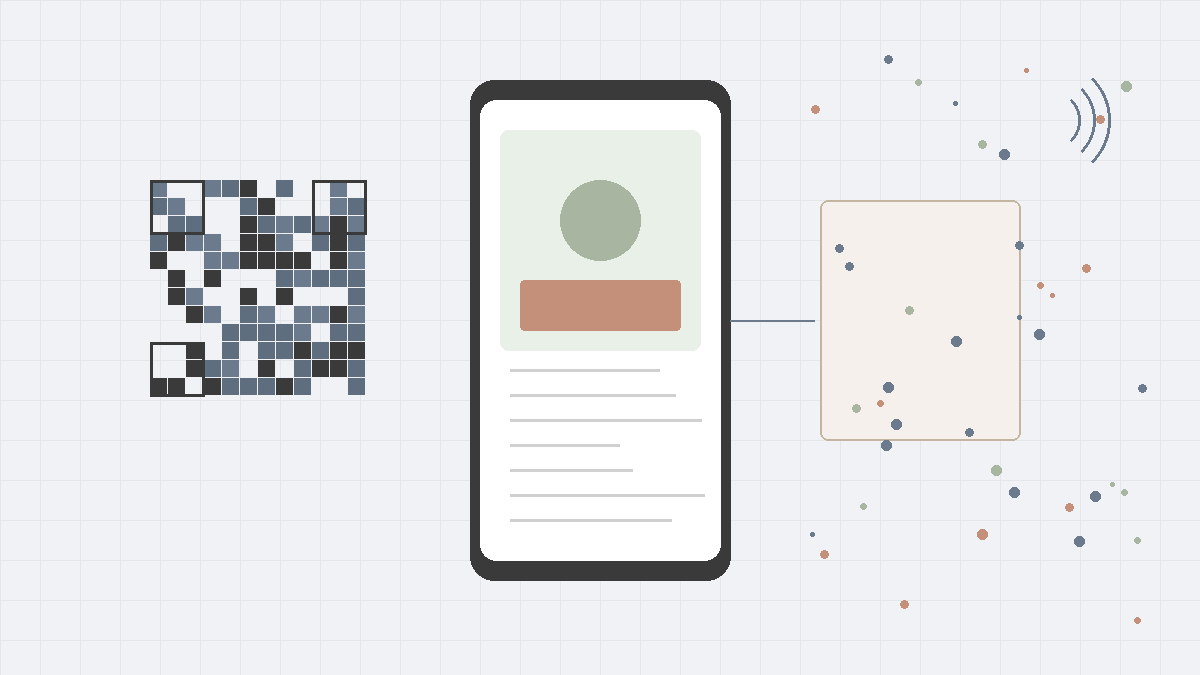
What makes this trend especially relevant in 2026 is its versatility. Brands are using interactive packaging for practical utility (traceability, authenticity verification, usage instructions) as well as engagement (gamification, loyalty programs, personalised content). Variable data printing enables region-specific artwork and influencer collaborations at scale, turning every package into a tailored touchpoint.
On the supply chain side, IoT sensors embedded in packaging are enabling real-time monitoring of temperature, humidity, and location — particularly valuable for cold-chain logistics and high-value goods. The convergence of physical packaging and digital ecosystems is opening possibilities that were purely theoretical just a few years ago.
Cultural Storytelling and Heritage-Inspired Design
Global brands are increasingly drawing from local art forms, traditional patterns, and regional visual languages to create packaging that celebrates cultural identity. This goes beyond decorative pattern-making — it’s about embedding genuine stories into the design, making each package feel rooted in a specific place, tradition, or community.
From hand-drawn motifs inspired by traditional craftsmanship to colour palettes drawn from regional landscapes, heritage-driven packaging resonates because it carries meaning. In a market flooded with generic, globally homogeneous design, cultural specificity becomes a competitive advantage. It tells a story that consumers want to be part of.
This trend also intersects with the push for inclusive design. Brands are rethinking accessibility as a design standard — incorporating ergonomic structures, high-legibility typography, and tactile elements like Braille integration. The best heritage-inspired packaging in 2026 is both culturally rich and universally usable, which is a design challenge worth investing in.
Personalisation and Limited Editions at Scale
Thanks to advances in digital printing and modular design systems, personalised packaging has moved from novelty to viable strategy. Brands can now produce limited-edition runs, seasonal variants, and audience-specific designs without the cost barriers that once made customisation prohibitive.
This matters because personalisation drives emotional connection. A package that speaks to a specific community, references a cultural moment, or features a customer’s own input creates a sense of ownership that mass-produced uniformity cannot match. Brands are leveraging AI-driven data alongside human creativity to produce packaging that feels one-of-a-kind while remaining commercially scalable.
The key is balance. Personalisation works best when it enhances the brand story rather than fragmenting it. The strongest executions in 2026 maintain a clear design system — consistent typography, colour relationships, and structural identity — while allowing enough flexibility for meaningful variation within that framework.
What This Means for Your Brand
The packaging design trends shaping 2026 share a common thread: intentionality. Whether it’s choosing sustainable materials, embracing imperfection, or integrating digital touchpoints, every decision should serve a clear purpose — connecting with the consumer, reducing waste, or strengthening brand identity.
At Blur, we work with brands to translate these trends into packaging that performs on the shelf, resonates with its audience, and stands the test of time. If you’re rethinking your packaging strategy for 2026 and beyond, let’s talk.